Reducing Churn in the Gig Economy: Why Financial Infrastructure Matters More Than Perks
Churn is the silent killer in marketplaces. Here’s why investing in financial infrastructure — not perks — is the smartest way to build loyalty and retain gig workers.
The problem no platform wants to talk about
A few months back, I met a founder running a food-delivery marketplace.
He said something that stuck with me:
“We lose more drivers every month than we onboard — and that’s after giving bonuses and incentives.”
It’s a story I’ve heard a hundred times.
Platforms keep throwing cashbacks, bonuses, and leaderboard prizes at their workforce, hoping it’ll make them stay.
But a few weeks later, the same drivers, couriers, and freelancers disappear — switching to another platform offering a slightly higher rate or a faster payout.
That’s the real issue: loyalty in the gig economy isn’t built on perks; it’s built on stability.
And stability starts with financial infrastructure.
The loyalty crisis in the gig economy
Let’s face it — most gig platforms are fighting for the same pool of talent.
Whether you’re running a delivery app, a freelance marketplace, or a staffing platform, the challenge is identical:
how do you keep your best workers coming back?
Perks like referral bonuses and reward points help in the short term.
But over time, they become table stakes — easy to copy, expensive to maintain, and ineffective for retention.
The real driver of loyalty today isn’t who gives the most — it’s who provides the most financial certainty.
When workers feel they can trust your platform with their earnings, that’s when they stick around.
Why Perks Don’t Fix Churn
Here’s why the usual retention tactics don’t cut it anymore:
- Perks don’t build trust.
Gig workers care less about points and more about predictable pay. - Bonuses create dependency, not loyalty.
Once the bonus stops, engagement drops instantly. - Loyalty programs reward activity, not longevity.
Workers jump platforms based on payout frequency, not badge count. - Perks treat the symptom, not the cause.
The core issue is financial friction — delayed payouts, opaque deductions, or confusing tax management.
In short, perks feel good but don’t solve the pain.
To reduce churn, you have to address what truly hurts: cash flow anxiety.
The Real Issue: Financial friction
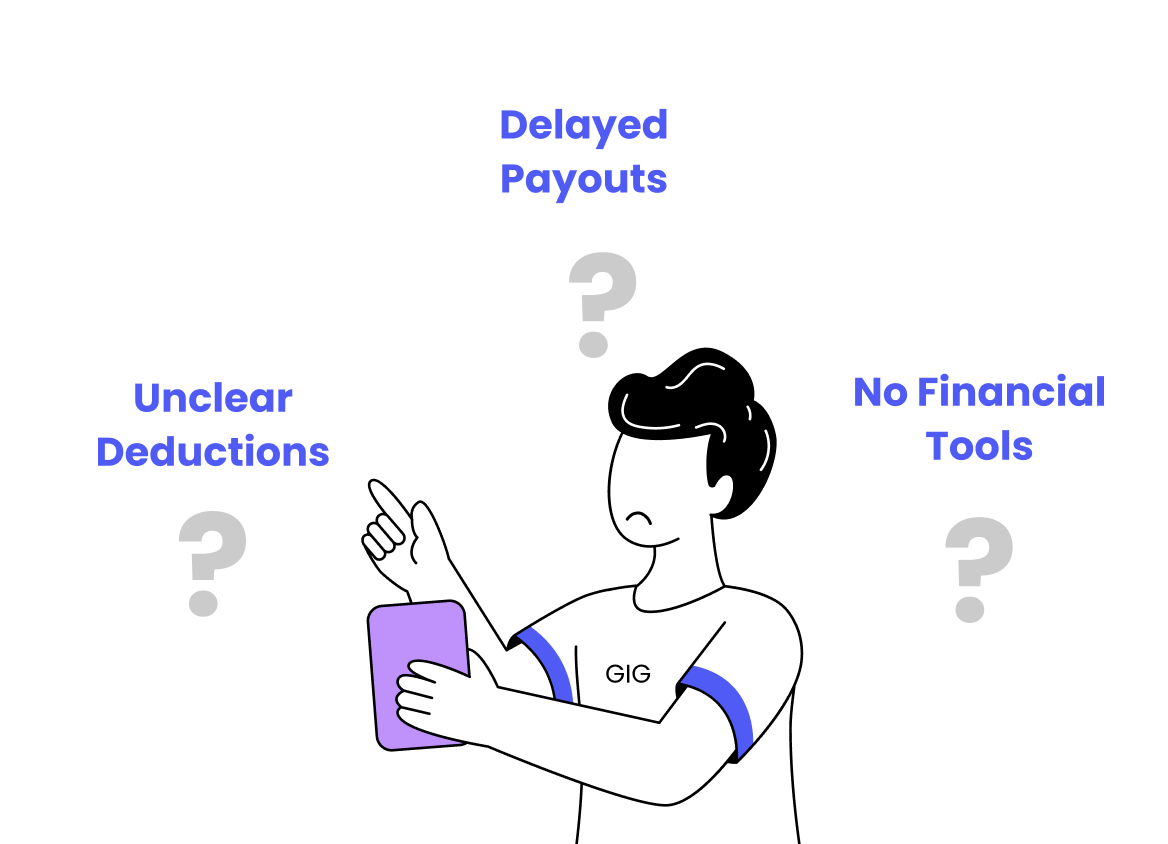
Let’s break it down.
Every gig worker faces three recurring pain points:
These problems create financial anxiety.
And anxious workers don’t stay — they switch.
That’s why perks fail — they don’t address the real friction in the worker’s financial life.
The Shift: From perks to infrastructure
The most successful marketplaces today are realising something powerful:
You can’t build loyalty with giveaways — you build it with systems.
That means investing in financial infrastructure that enables trust, speed, and transparency across the entire worker experience.
Examples of financial infrastructure that drive loyalty:
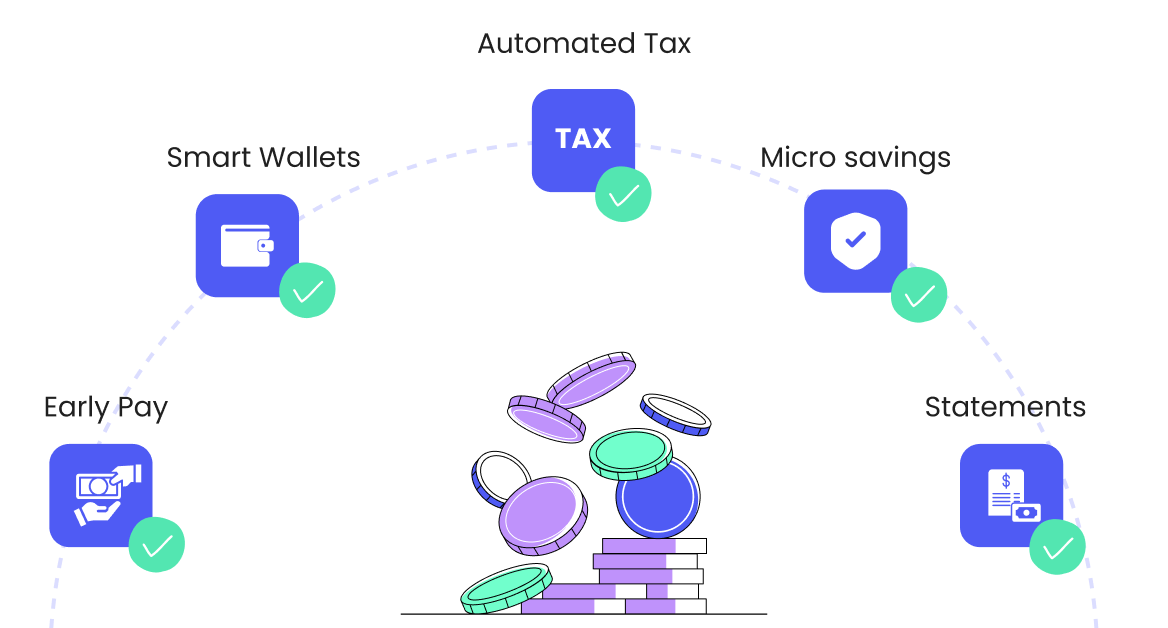
- Early Pay / Instant Payouts: Workers get paid right after completing a job.
- Smart Wallets: In-app wallets where earnings, bonuses, and tips sit in one place.
- Automated Tax & Super: Simplify compliance so workers feel more secure.
- Micro-Savings & Insurance: Offer bite-sized protection and savings options directly from payouts.
- Transparent Statements: Real-time dashboards that show every dollar earned and deducted.
These are not “features” — they’re loyalty engines.
When your platform handles money with the same reliability as a bank, your users stop treating it like a gig app — they treat it like a partner.
The Retention Math: Trust > Transaction
We’ve seen this play out across marketplaces powered by MyGigsters.
When platforms move from delayed bank transfers to instant embedded payouts:
- Churn drops by up to 40% in the first 90 days.
- Active user retention increases by 2–3x.
- Average transaction volume per worker rises by 30%.
The reason is simple — financial reliability builds emotional reliability.
Workers start to believe, “If this platform pays me on time, I can plan my week.”
That level of trust is hard to break — even if competitors offer more perks.
The Human Side: Financial wellness equals loyalty
It’s easy to forget that behind every gig worker profile is a person managing rent, bills, and family commitments.
When a worker can access their pay early, track their income, and save automatically, it creates a sense of progress.
And progress breeds loyalty.
Financial wellness isn’t just a nice-to-have benefit — it’s a retention moat.
Because when workers feel secure, they show up more, deliver better, and stay longer.
That’s the difference between short-term engagement and long-term retention.
The Founder’s Playbook: How to build loyalty through financial infrastructure
If you’re running a gig or marketplace platform, here’s where to start:
- Audit your payout experience.
Ask: How long does it take for a worker to receive funds after completion?
Every extra day increases churn risk. - Embed flexible payout options.
Let workers choose between instant pay, daily, or weekly cycles. - Offer transparency by design.
Make it easy for workers to see exactly what they’ve earned — no hidden fees. - Partner for financial wellness.
Integrate savings, microcredit, or tax tools directly in your platform (without becoming a bank). - Make financial trust part of your brand.
Loyalty begins when workers associate your logo with reliability, not uncertainty.
The platforms that get this right won’t just have loyal workers — they’ll have advocates.
The Takeaway: Stability beats incentives
In the gig economy, churn isn’t just a number — it’s a reflection of trust lost.
Perks may bring workers in the door, but financial infrastructure keeps them there.
If you want to build a lasting marketplace, start by removing financial friction.
Because when your workers’ money moves faster, your growth does too.
Final Thought
The future of the gig economy won’t be won by who pays the most.
It’ll be won by who pays the fastest, the fairest, and the most transparently.
That’s the real competitive advantage.
And that’s what financial infrastructure delivers
👉 Discover how MyGigsters helps marketplaces build financial infrastructure that reduces churn, boosts loyalty, and keeps your best workers engaged.